
Building Agentic Commerce for Grocery Automation
Feb 24, 2026
What Is Agentic Commerce?
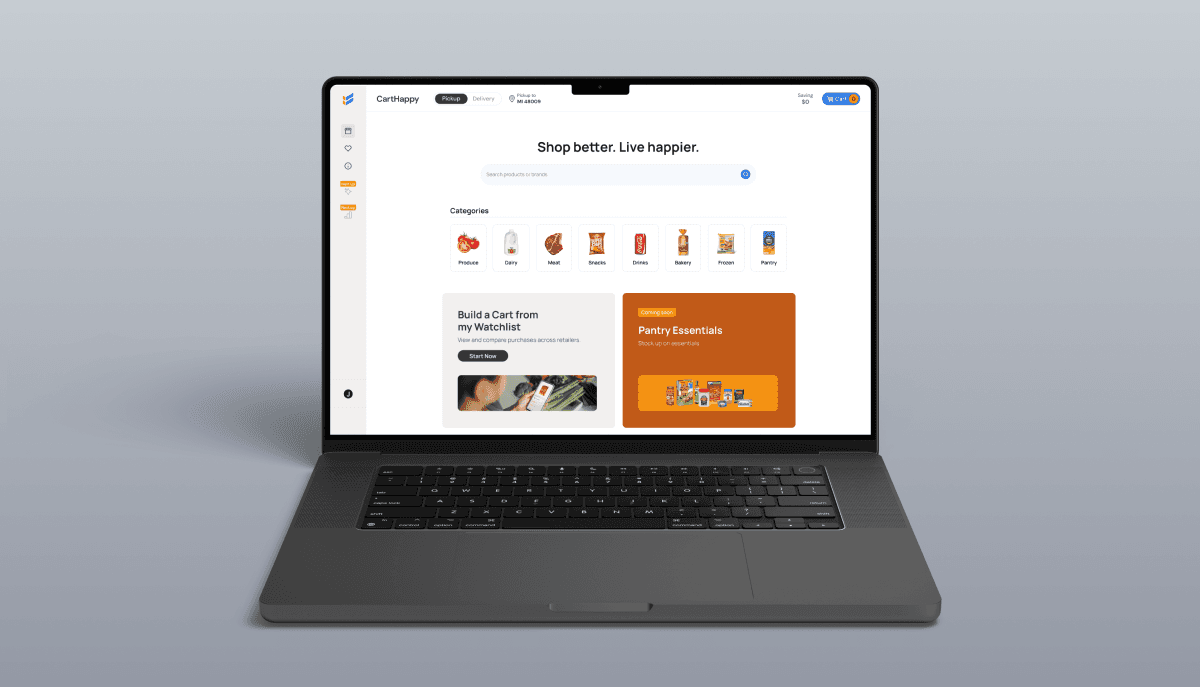
Agentic commerce is a model of ecommerce where autonomous AI agents execute purchases on behalf of consumers using structured purchase history, real-time price verification, and browser-level automation. It replaces manual shopping workflows with delegated systems that automatically reorder products, validate pricing, and complete transactions to optimize savings.
How Agentic Commerce Works
• Persistent purchase history
• Structured retail data
• Real-time price and inventory verification
• Browser extension execution
• Automated checkout
From Ecommerce to Agentic Commerce
Traditional ecommerce requires continuous human input: searching, comparing prices, checking availability, reordering staples, and monitoring discounts. Agentic commerce shifts the consumer from operator to supervisor. The agent understands purchase patterns, verifies live pricing, and executes checkout automatically.
Persistent Purchase History
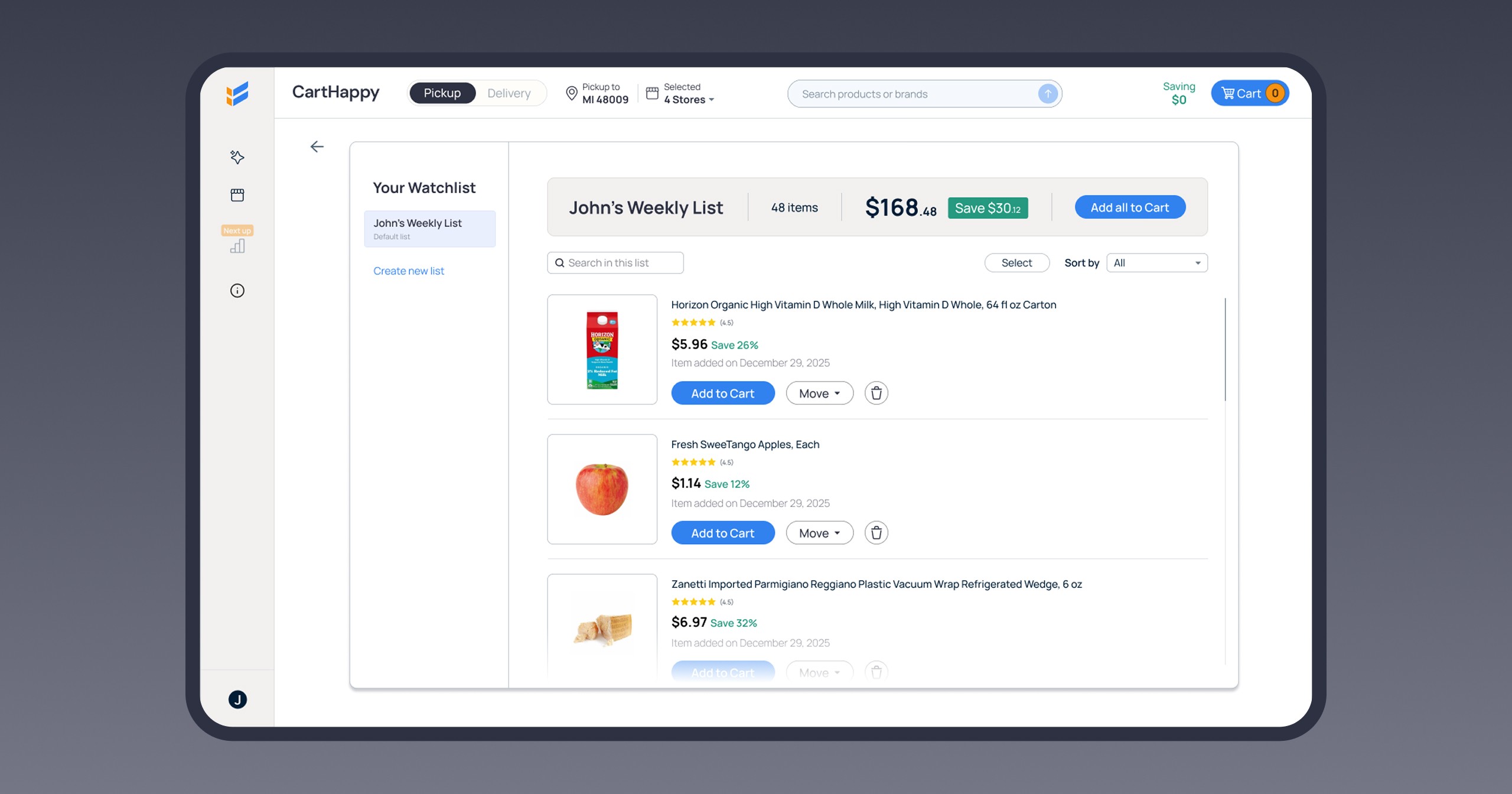
Purchase history is the foundation of agentic commerce. Structured, longitudinal purchase data enables reorder prediction, substitution logic, pricing comparison, and measurable savings. Without persistent purchase history, automation cannot operate reliably.
Structured Retail Data
Fragmented catalogs, inconsistent APIs, unreliable inventory feeds, and opaque pricing limit automation. Agentic commerce requires normalized product identifiers, structured catalogs, and consistent pricing access to function at scale.
Real-Time Price & Inventory Verification
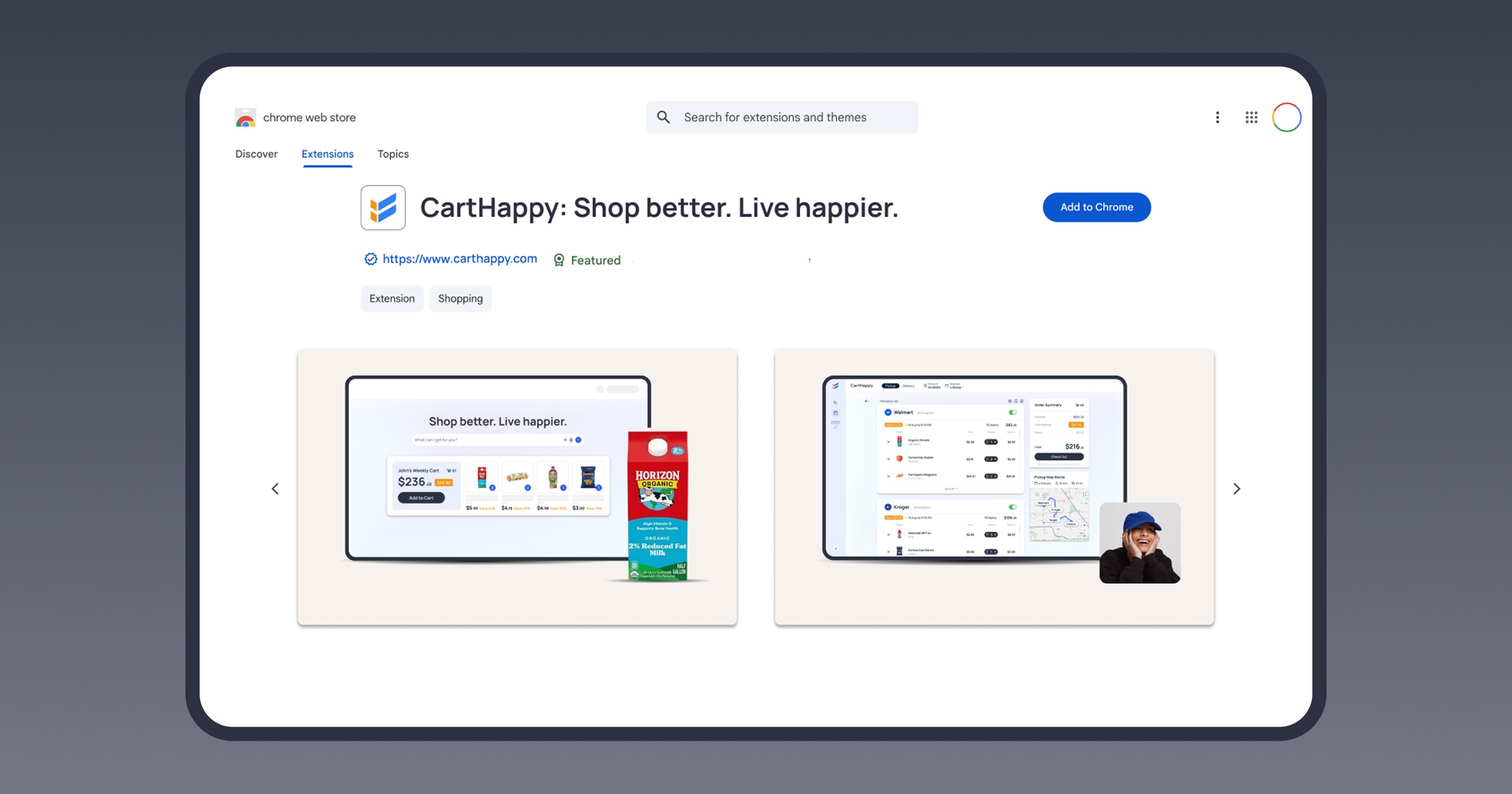
Autonomous shopping agents must validate live price, availability, and promotions before executing checkout. Execution integrity—not model sophistication—determines whether automation succeeds.
Browser-Level Execution (Extension Layer)
Retail APIs are often insufficient for full automation. Browser extensions provide execution infrastructure by enabling real-time verification, cart population, checkout automation, and ground-truth validation within live retail environments.
Why Grocery Is the Proving Ground
Grocery shopping is repetitive, predictable, and price-sensitive. High reorder frequency and substitution complexity make grocery automation the ideal test case for agentic commerce infrastructure.
Agentic Commerce and Savings
The purpose of automation is savings. Agentic commerce increases consumer leverage by continuously monitoring pricing, detecting substitution opportunities, reducing friction, and executing transactions at optimal moments.
Infrastructure Over Intelligence
The constraint on agentic commerce is infrastructure—not model capability. Standardized purchase history, structured retail data, real-time verification, and browser execution layers determine scalability.
Conclusion
Agentic commerce delegates routine transactions to autonomous agents. Consumers move from clicking to configuring, from comparing to supervising. It is grocery automation today and delegated commerce at internet scale tomorrow.
Building Agentic Commerce for Grocery Automation

Agentic Commerce Is the Future of the Internet
Agentic Commerce Is Constrained by Retail Data Infrastructure
Agentic Commerce Needs Real-Time Pricing, Inventory & Execution

Building Agentic Commerce for Grocery Automation
Agentic Commerce Shifts Pricing Power to Consumers

Agentic Commerce Requires Purchase History & Ground Truth